Top Reasons to Start a Thrift Store Franchise in 2026
The thrift store industry is undergoing a remarkable transformation, with 2026 poised to showcase a new era of innovation, sustainability, and consumer engagement. As awareness of environmental issues grows, the demand for secondhand goods is surging, making thrift store franchises more relevant than ever. Shoppers are increasingly drawn to the unique value proposition of thrift stores: affordable pricing, diverse inventory, and the thrill of discovering hidden gems. This evolving landscape presents a wealth of opportunities for entrepreneurs eager to capitalize on shifting consumer values and modern retail trends.
One of the most prominent trends shaping the thrift store industry in 2026 is the heightened emphasis on sustainability. Consumers are prioritizing eco-friendly shopping habits, seeking ways to reduce waste and minimize their carbon footprint. Thrift stores, by their very nature, promote reuse and recycling, positioning themselves at the forefront of the green movement. Franchise owners who champion sustainability initiatives—such as upcycling workshops or zero-waste packaging—stand to attract a loyal, environmentally conscious clientele.
The adoption of advanced technology is redefining the thrift shopping experience. From AI-powered inventory management to virtual try-on solutions, tech-savvy franchises are streamlining operations and enhancing customer satisfaction. Online thrift platforms and social media marketing are expanding reach, enabling stores to connect with younger, digitally native audiences.
Ultimately, these emerging trends are setting the stage for unprecedented growth, making 2026 an ideal time to enter the thrift store franchise market and shape the future of sustainable retail.
Venturing into the world of thrift store franchises offers a myriad of unique advantages, particularly for aspiring entrepreneurs seeking a business model that aligns profitability with purpose. Unlike traditional retail, thrift store franchises are grounded in sustainability and community impact, offering a distinct edge in today’s conscientious marketplace.
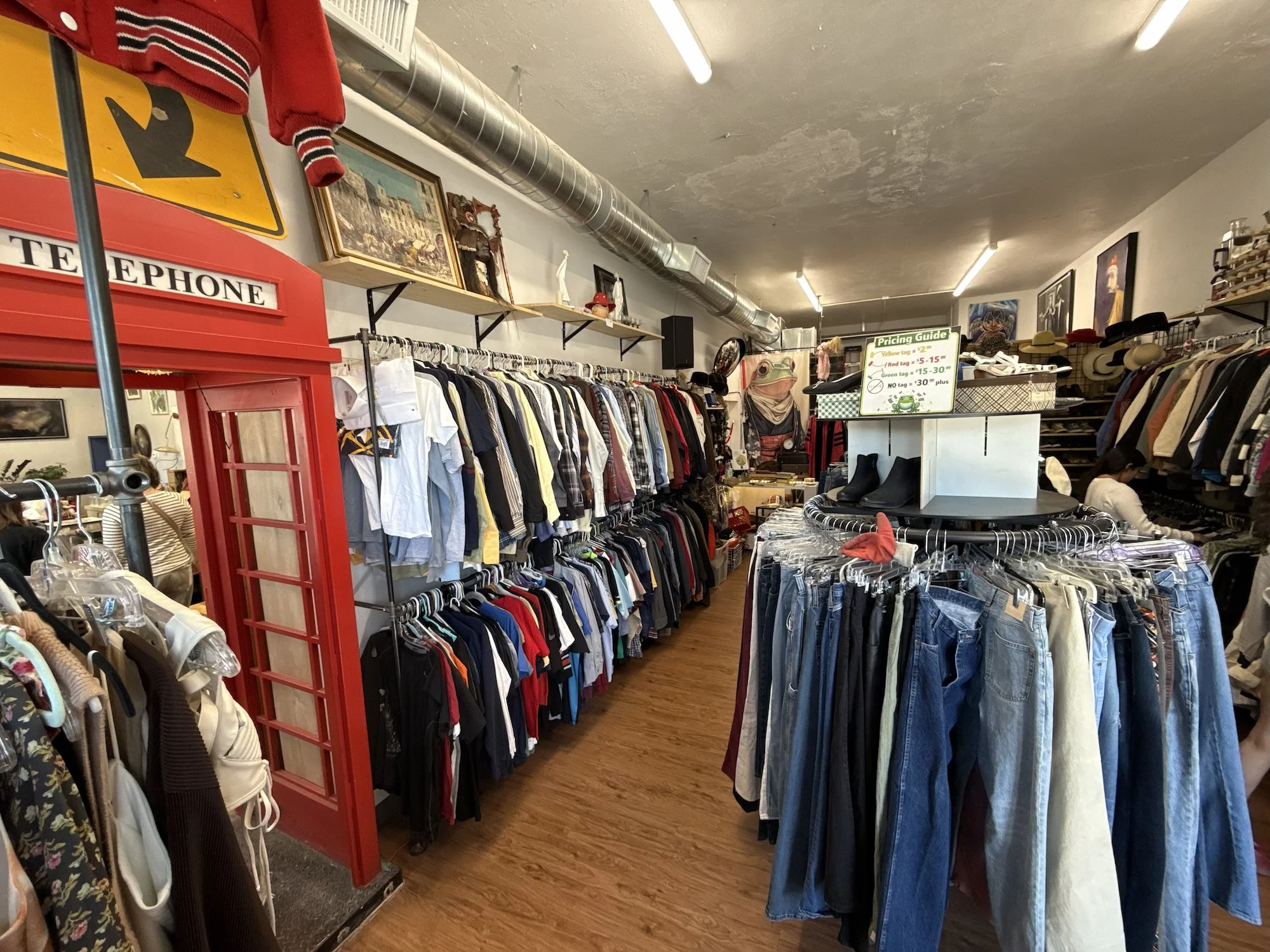
One of the foremost benefits is the immediate access to established brand recognition. Franchising with a reputable thrift store chain means leveraging a trusted name, proven business systems, and ongoing support. Franchisees receive comprehensive training, marketing guidance, and operational resources, minimizing the uncertainty often associated with independent startups.
Thrift stores thrive on donated goods and secondhand merchandise, making inventory acquisition both sustainable and cost-effective. This not only reduces overhead expenses but also appeals to increasingly eco-conscious consumers who value circular economy principles. By extending the lifecycle of clothing, furniture, and household items, franchise owners contribute directly to reducing landfill waste.
Another compelling advantage is the resilience of thrift store franchises during economic fluctuations. As consumers seek value and affordability, thrift stores consistently attract a broad demographic, ensuring steady foot traffic even in uncertain times. The ability to offer quality products at accessible prices positions thrift stores as community staples.
Choosing to own a thrift store franchise in 2026 means aligning your entrepreneurial journey with growing trends in sustainability, affordability, and local engagement, while benefiting from an established support network and a recession-resistant business model.
Launching a business can be an overwhelming endeavor, especially in the rapidly evolving market landscape of 2026. For aspiring entrepreneurs, the franchise model stands out as a beacon of simplicity and support, streamlining the startup process in ways that traditional independent businesses cannot match. Franchising offers a tried-and-tested blueprint, removing much of the uncertainty that plagues new ventures and allowing owners to focus on growth rather than reinventing the wheel.
One of the key advantages of franchising is immediate access to proven operational systems. Franchisees benefit from comprehensive training and guidance, covering everything from inventory management to customer service protocols. This structured approach reduces the steep learning curve associated with starting a business from scratch. Additionally, the backing of an established brand eliminates the initial struggle of building trust and recognition within the community, providing a head start in attracting and retaining customers.
Franchisors typically offer ongoing support, including marketing strategies, technology integration, and supply chain management. This support network allows new store owners to navigate challenges with confidence, knowing that expert assistance is only a call or email away. In 2026, as digital tools continue to advance, franchisees benefit from cutting-edge resources that further simplify daily operations and drive efficiency.
Ultimately, franchising in 2026 delivers a streamlined path to business ownership, empowering entrepreneurs to launch their thrift store franchise with clarity, confidence, and a significantly reduced risk of failure.
In recent years, sustainable practices have emerged as a driving force behind the growing popularity of thrift stores. As environmental awareness intensifies, consumers are increasingly adopting eco-friendly habits, and thrift shopping has seamlessly aligned with this movement. By offering secondhand goods, thrift store franchises play a pivotal role in reducing waste, minimizing landfill contributions, and extending the lifecycle of products. This conscious approach not only appeals to environmentally minded shoppers but also positions thrift stores as vital contributors to a greener economy.
One of the key attractions of thrift store franchises is their ability to promote a circular economy. Instead of discarding unwanted items, individuals donate or sell them, allowing these goods to find new homes. This cycle conserves resources and reduces the demand for new manufacturing, which often carries significant environmental costs. Additionally, many thrift stores implement further green initiatives, such as minimizing plastic usage, supporting local recycling programs, and adopting energy-efficient practices within their operations.
Consumers today value brands that demonstrate a genuine commitment to sustainability. Thrift store franchises, by their very nature, embody these values—making them especially attractive to younger generations who prioritize ethical consumption. As sustainable living continues to gain momentum, owning a thrift store franchise in 2026 positions entrepreneurs at the forefront of this influential trend, ensuring both environmental impact and business success.
Embracing the thrift store franchise model in 2026 opens the door to a wealth of financial advantages that set it apart from traditional retail ventures. Unlike starting an independent store from scratch, franchising provides a proven pathway to profitability, leveraging the established reputation and operational systems of a recognized brand. This not only minimizes the risks commonly associated with new businesses but also accelerates time to steady revenue streams.
One of the standout financial benefits is the reduced initial capital requirement. Thrift stores typically rely on donated or secondhand merchandise, significantly lowering inventory costs. Additionally, franchisees often benefit from bulk purchasing power and streamlined supply chains orchestrated by the franchisor, which further drives down operational expenses.
The thrift store industry is uniquely positioned to weather economic fluctuations. During downturns, consumers flock to thrift shops seeking value for money, ensuring a consistent footfall and steady income. Even in prosperous times, the growing popularity of sustainable shopping habits bolsters demand, translating to robust sales regardless of the broader economic climate.
Franchisees gain access to established marketing strategies and strong brand recognition, which can drastically reduce customer acquisition costs. The franchisor’s ongoing promotional efforts create a steady stream of new and returning customers, allowing owners to focus on daily operations and profitability.
Altogether, these financial benefits make joining a thrift store franchise in 2026 not just a smart investment but a resilient and lucrative business opportunity.
Related Posts
 Decluttering a Home the Right Way: Eco-Friendly Estate Cleanout Tips That Actually Work
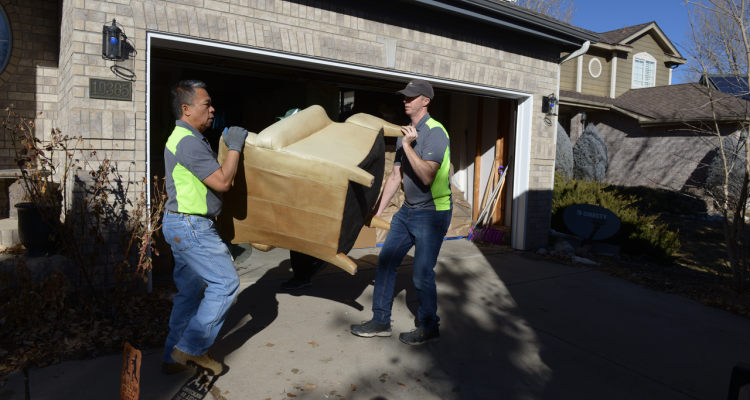
Decluttering a home can feel overwhelming—especially when it involves years, or even decades, of accumulated belongings.
Read More Nothing Truly “Goes Away”: The Ethos Behind Gone For Good
In a world where convenience often outweighs responsibility, it’s easy to treat unwanted items as disposable — out of sight, out of mind. But what if removal didn’t have to mean waste? What if the process of clearing space could also create positive impact? At Gone For Good, we believe junk removal isn’t just about taking things away — it’s about redirecting value, reducing environmental strain, and building a business model rooted in purpose. This is the ethos that guides everything we do — and why it matters more now than ever.
Read More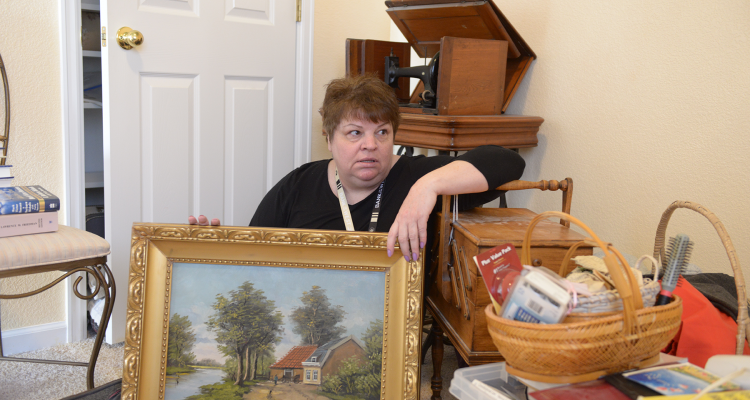 How Our Ecofriendly Estate Cleanout Helps Seniors Feel Good
As we journey through different chapters of life, transitions can often feel overwhelming—especially for seniors facing the prospect of downsizing or clearing out a cherished family home. The process of estate cleanout is more than just removing items; it’s an emotional passage filled with memories, decisions, and the hopes of leaving a meaningful legacy. In this context, choosing an ecofriendly estate cleanout service transforms what could be a stressful experience into an uplifting one, nurturing not only the environment but also seniors’ well-being and peace of mind.
Read More How to Buy a Junk Removal Franchise Without Guesswork: A Systems-First Guide for Serious Buyers
The junk removal industry has emerged as a powerhouse within the franchise landscape, propelled by a blend of societal trends and robust market fundamentals. As homeowners and businesses increasingly prioritize decluttering and maintaining organized spaces, the demand for efficient, reliable junk removal services has soared. This surge is driven not only by the perennial need to dispose of unwanted items but also by growing awareness around responsible waste management and eco-friendly disposal practices.
Read More