How to Start a Successful Eco-Friendly Business and Make a Positive Impact
For first-time startup founders and local new business owners, building something profitable can clash with the desire to reduce harm and earn customer trust. That tension is exactly where ecopreneurship definition fits: environmental entrepreneurship that treats sustainability as a core business purpose, not a side project. In a fast-growing green economy, sustainable business models help founders connect what they sell to the impact they create, while still staying viable in the real world. With a clear understanding of ecopreneurship, new founders can make decisions that align environmental goals with lasting business outcomes.
Understanding the Triple Bottom Line
Ecopreneurship is a way of building a business where sustainability shapes what you sell, how you operate, and how you grow. The triple bottom line is the core principle: you design for environmental impact, economic sustainability, and social entrepreneurship at the same time.
This matters because it turns “doing good” into a decision framework you can use every week. Profit becomes the fuel, impact becomes the direction, and people become the measure of whether growth is actually healthy.
Imagine launching a refillable cleaning product. You choose safer ingredients to cut pollution, price it to cover costs, and hire locally with fair training. A social enterprise like Living Outside has reached over 6,000 individuals, showing how people and purpose can scale alongside revenue. That mindset makes a green home cleaning service easier to plan step by step.
Follow a Green Home Cleaning Startup From Idea to Operations
The triple bottom line becomes much clearer when you picture a service that improves homes while reducing what gets released into the air and down the drain. A green home cleaning business fits ecopreneurship because it directly reduces reliance on harsh chemicals, lowers environmental impact, and meets growing consumer demand for household services that align with sustainability values. For many clients, “green” isn’t a marketing label, it’s a specific request for alternatives to conventional cleaners loaded with synthetic ingredients and strong fumes, so choosing safe, non-toxic products is the core of the offering.
To stay credible (and protect both clients and staff), owners should get in the habit of carefully reviewing product ingredient lists rather than relying on vague claims. On the operations side, concentrated formulas purchased in bulk can help cut packaging waste while also keeping unit costs under control as the business scales. If you want a practical reference for what this can look like, this link provides more detail on building a green home cleaning service.
Launch Your Eco-Friendly Business in 4 Practical Steps
Launching an eco-friendly business is easier when you treat sustainability like a set of decisions you can test, measure, and improve, just like the green home cleaning startup example. Use these steps to move from “good idea” to a real offer people will pay for.
- Validate demand with “problem-first” market research: Start by interviewing 10–15 people in your target niche and ask what they buy today, what they dislike (price, performance, ingredients, packaging), and what would make them switch. Then run a simple smoke test: post two versions of your offer (for example, “fragrance-free, refillable cleaners” vs. “deep-clean + non-toxic guarantee”) and track which gets more inquiries or waitlist signups in 7–14 days. Demand is strongest when you can name the pain clearly and prove people will take a next step, not just say they “care about sustainability.” One helpful reality check is that 80% of people believe environmentally conscious products are important for businesses, but your job is to narrow that broad interest into a specific, purchase-ready customer.
- Pick green certification standards that match your real footprint: Don’t chase every label, choose one standard that fits your product category and your current operations. Make a one-page “claims list” of everything you want to say (non-toxic, recycled, biodegradable, carbon-neutral), then map each claim to the proof you can actually produce (supplier documentation, ingredient disclosures, lab testing, process logs). If you’re running a service business like home cleaning, focus on verifiable inputs and procedures, approved product lists, dilution ratios, and training checklists, so your “green” promise holds up consistently across jobs.
- Build a funding plan that’s tied to unit economics, not vibes: Before you look for eco business funding options, write a bare-bones model: cost to deliver one unit/service, gross margin, and how many sales you need to cover fixed costs. Create two budgets, “pilot” (30 days, small batch, minimal inventory) and “scale” (90 days, hiring, equipment, certification costs), and decide what funding type fits each: bootstrapping for pilot, then loans, grants, or revenue-based financing once you can show repeatable sales. This is the same discipline that keeps an eco cleaning startup from overbuying supplies before routes and repeat clients are stable.
- Build an eco brand customers trust by making proof visible: Turn your sustainability into simple, repeatable brand assets: a clear “what we do / how we do it / what we won’t do” statement, a sourcing page, and a short FAQ that answers tough questions (ingredients, disposal, labor practices, and pricing). Use receipts as storytelling, before/after photos, checklists left with customers, and transparent breakdowns of what makes your offer safer or lower-waste. It helps to remember that the sustainability certification market size was valued at USD 3.10 billion in 2025, which signals how much buyers and businesses are leaning on credible standards, so make your proof easy to find, not buried in fine print.
Consider a Proven Model Instead of Building From Scratch
Not every founder wants to design an eco-friendly business from the ground up, and that's a perfectly valid starting point. Franchising lets you step into an established sustainability system, complete with vetted procedures, supplier relationships, and brand credibility you'd otherwise spend years developing. If waste reduction and responsible disposal align with your values, these franchise guides for eco-conscious founders walk through what it takes to buy into a junk removal, recycling, or thrift store model without the usual guesswork. You still get the triple-bottom-line benefits of purpose-driven work, but with the operational scaffolding already in place. For many first-time owners, that head start is the difference between a slow, uncertain launch and a business that's measurable and profitable from day one.

Eco-Friendly Business Questions People Ask Most
Q: What’s the biggest misconception about starting an eco-friendly business?
A: That “green” automatically sells. Most buyers switch when you solve a real problem better, like safer ingredients, less mess, or easier refills. Start by naming one pain point and proving people will pay for that outcome.
Q: How expensive is it to run a sustainable business, really?
A: Some inputs cost more, but waste reduction can lower costs over time. Pilot with a small batch, simple packaging, and a tight product or service menu so you can see your true margins fast. If it does not pay at small scale, adjust before you invest.
Q: Can I balance profit and purpose without feeling “salesy”?
A: Yes. Price for impact plus performance, then explain what customers get: reliability, safety, and less waste. A practical next step is a one-page pricing breakdown that shows where the premium goes.
Q: What does scaling an eco venture look like without compromising values?
A: Scaling is mostly standardizing what you already do well. Document suppliers, procedures, and quality checks so new team members can deliver the same results. Add certifications or upgraded materials only after repeat demand is consistent.
Q: What legal items should stay on my beginner checklist?
A: Make sure you have the right structure and that your licenses and registrations are current in your area. Confirm everything is filed under the correct name of the business entity to avoid bank, tax, and contract headaches. Then keep your sustainability claims factual and documentable.
Turn Eco-Friendly Ideas Into a Profitable, Measurable Impact
Building a greener company can feel like a constant trade-off between costs, credibility, and real change. The path forward is to treat sustainability as a business system: choose clear values, validate demand, measure outcomes, and improve in steady cycles so ecopreneurship opportunities translate into environmental business impact. When that mindset guides decisions, profit and purpose stop competing, and founder motivation in green business becomes easier to sustain through the messy middle. Start small, measure honestly, and improve relentlessly.
Related Posts
 Thrift Shopping With a Bigger Purpose
Thrift shopping is about more than finding a great deal. Every secondhand purchase helps keep usable items out of the landfill, conserve resources, and support the local community. Discover how shopping and choosing reuse-focused cleanout services can give unwanted belongings a second life.
Read More How to Start a Successful Eco-Friendly Business and Make a Positive Impact
Build a business that benefits both the planet and your bottom line by embracing sustainable practices, reducing waste, and creating lasting value for your customers and community.
Read More Common Myths About Junk Hauling
Junk hauling sounds simple enough, but there are still plenty of misconceptions about how it works, what it costs, and what happens to the items after they leave your property. If you have ever wondered whether hiring a junk hauling company is really worth it, you'll find the answer-and more- here.
Read More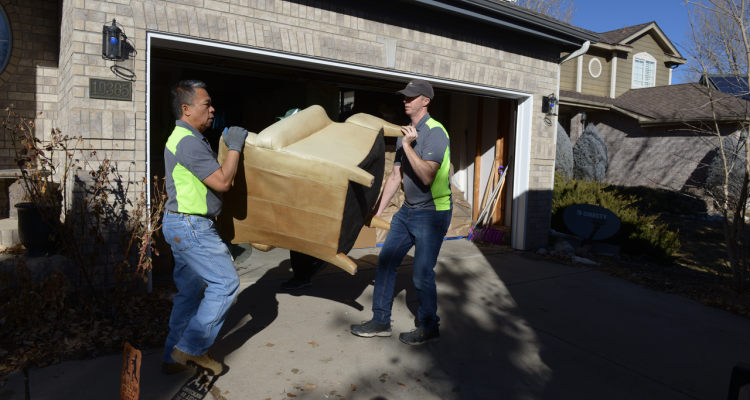 Decluttering a Home the Right Way: Eco-Friendly Estate Cleanout Tips That Actually Work
Decluttering a home can feel overwhelming—especially when it involves years, or even decades, of accumulated belongings.
Read More